As Catholic parents, we know that our duty to God is to raise our children so that they will live the vocation that God is calling them to. The FNE program produced strong vocations for over 100 to many years. How does it do that? What do we as parents need to do to help ensure that outcome for our children?
A promise for every age
Otters make a promise that they can comprehend and live by for the 2-3 years they are in the Lodge, “In front of all my friends, I promise to Love God, to obey the Law of the Otter Lodge and to always be a good Otter.” You can see that this is a promise that a 5 year old can understand, and it begins to plant the seeds that will lead to the Explorer Promise.
Timberwolves promise “I promise to do my best, to be faithful to God, my country, my parents, to keep the law of the Timberwolf Den and to do a good turn for somebody every day.” So here we have a promise that an 8-year-old can understand and live.
By the time the child is leaping up to the Explorers around age 12, he has already learned what it means to make a promise to God and to be held accountable to live it. When he has proven to the Court of Honour that he can be trusted to take his Promise seriously, he is allowed to make his Promise, in a solemn ceremony, preceded by a Vigil like those of the knights of old. Everything that follows this point in our program is geared towards developing the whole person to live that Promise for the rest of their lives.
This Promise is so integral to our program that anyone joining our program who is past the Explorer age, even though they join as a Wayfarer, must first make their Explorer Promise – this includes every uniformed leader in our movement.
This commitment at the heart of our program forms the human person to be prepared, when they enter adulthood, to discern the will of God for their lives (vocational discernment is a key element of the Wayfarer program) and to commit to it through the solemn vows of marriage, religious life, or the priesthood. They know what commitment to God means, and they are familiar with the fulfillment it brings when we live out the commitments we make to Him. This is why we see so many strong vocations coming out of our movement; why we so rarely see the “failure to launch” that seems to be an epidemic in modern society.
There is a catch
There is a catch, however! The commitments of the movement, which prepare the youth for the commitment of their vocation, must truly be treated as commitments. This needs to happen in two ways: the personal commitment of the youth and the example of commitment that is placed before them.
Youth are ready to commit to something greater than themselves. Most need little urging to throw themselves into their Promise. But what does it teach them if they are not held accountable to their Promise? Indeed, what message does it send if they are not allowed to commit themselves to their Promise, with other activities and events in which they have not made a serious promise to God being given equal, or God forbid, greater priority when scheduling conflicts arise? What message will they take from that concerning our duty to God?
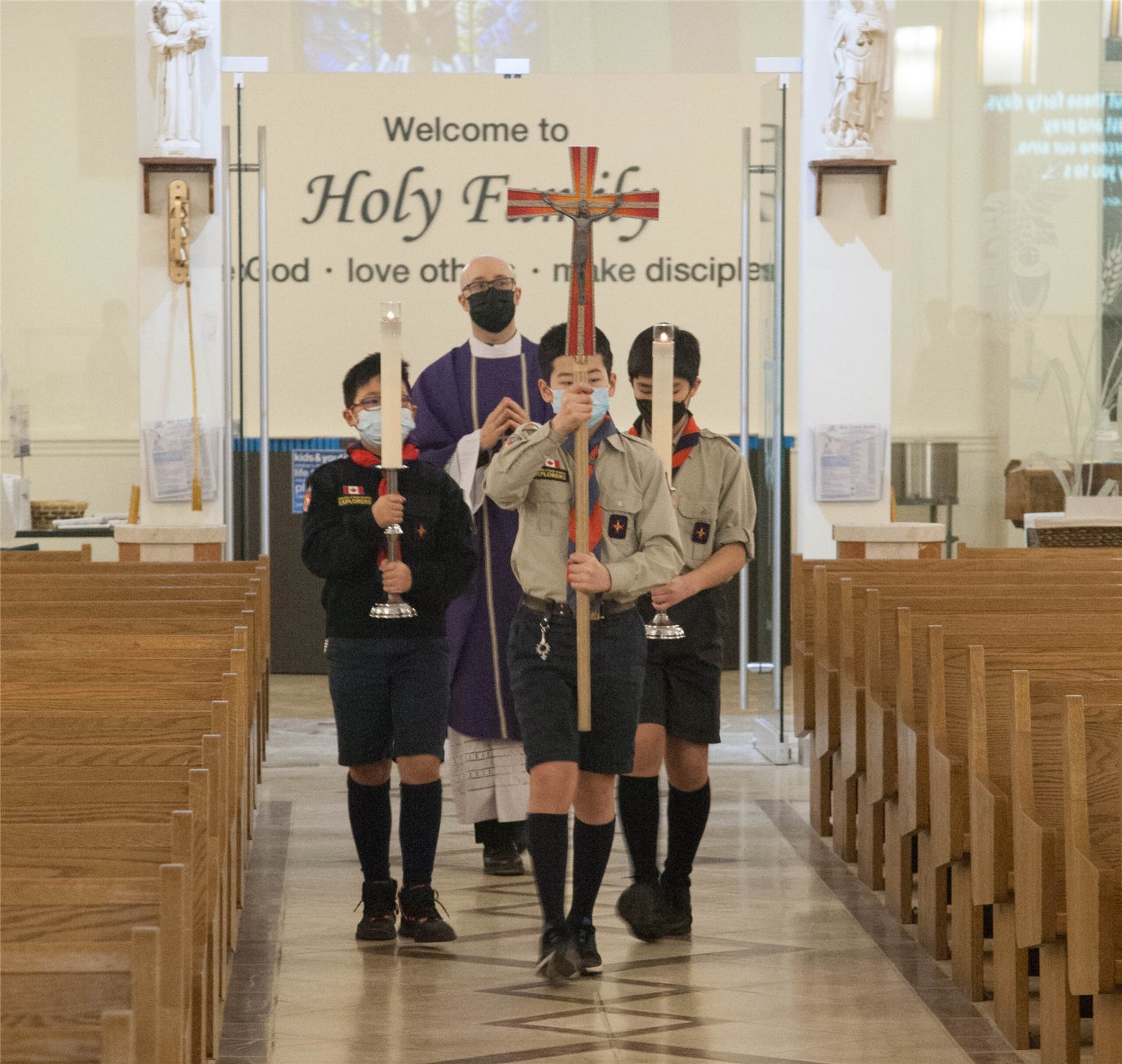
Youth must see examples of the conduct expected of them. If we want them to learn commitment, we must model it ourselves. Each of the Unit Chiefs who will receive your child’s Promise is told in their Investiture Ceremony, “He who is responsible for forming others to live according to ideals like ours must be a living image of those ideals.” The youth see the Chiefs and their commitment to the movement, to forming them. They see the Promise Cross their Chiefs wear at every FNE activity.
What do they see at home? Is there a commitment there as well, a commitment to take them to or let them go to their activities, to support them? Do they see their parents taking real, concrete actions to help the FNE? FNE Chiefs are educators, but secondary educators. The Catechism reminds us, it is parents that are the primary educators of their children. What are you teaching them about commitment?
If we are not giving our boys opportunity and support for their commitment, nor showing them the example of commitment, how can we expect them to be prepared to commit to their vocation when they become adults? The FNE program is a grace-filled educational program, but it is not magic. It requires commitment to teach commitment.
How Can You Help?
Prepare your child for their vocation. Support your child’s commitment to the FNE program, and give them the example of your family’s commitment.
Our program is founded on commitment, and rightly delivered and lived, it is the perfect school of commitment. It prepares our youth to commit to their vocations. But it can only work if they and their families commit to the program.